Conyers Farm Greenwich Real Estate
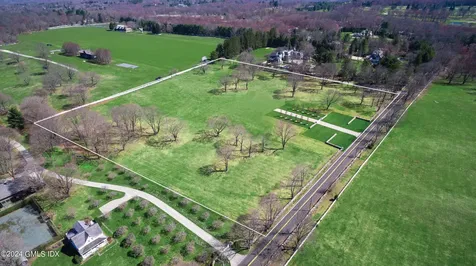
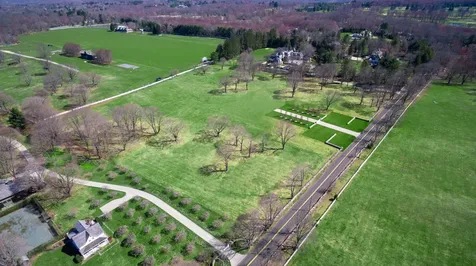
Conyers Farm is a private residential community located in the back country of Greenwich. The farm covers over one thousand acres of land and houses up to 60 families on properties ranging from ten to twenty acres or more. The estate owners are all members of the Conyers Farm Association that maintains a complete road system, five miles of riding trails, pristine woodlands, a private lake and more as well as providing security and other amenities for the residents.

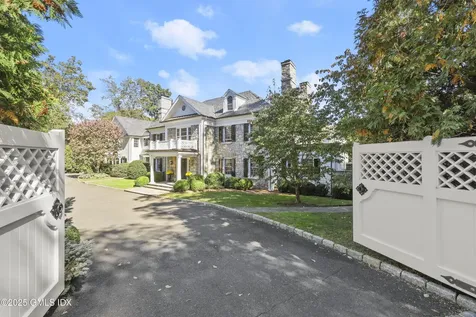
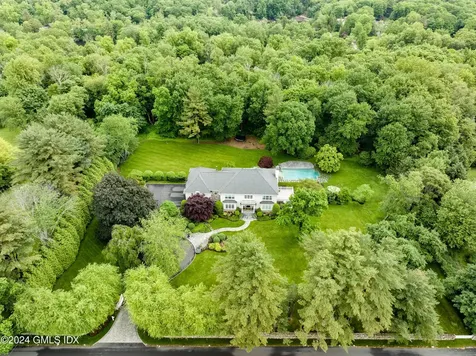
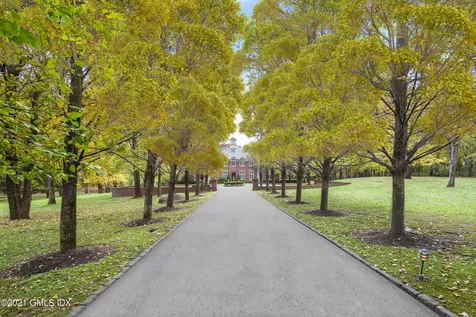
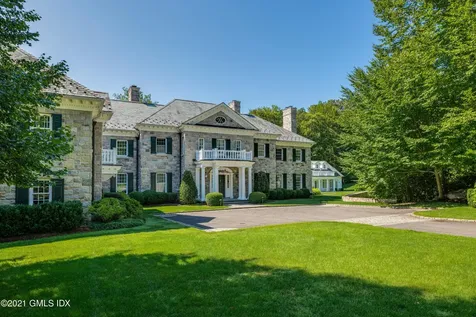
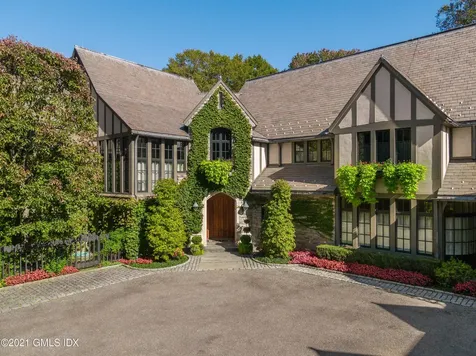
Browse all currently listed real estate in Greenwich's neighborhood, Conyers Farm below. If you're interested in touring any of these beautiful properties, please don't hesitate to contact us with any questions you may have. To search, save, and favorite properties log-in here. Don't have an account? Register to our site here!
Show More Conyers Farm Info
The land that makes up the Conyers Farm estate was first assembled in the early 1900s by Edmund C. Converse, the founder of U.S. Steel and of Bankers Trust. Converse had summered in Greenwich and having fallen in love with the community, he set out to acquire over 1,000 acres where he could build an English manor house. By 1913 he had assembled a 1,500 acre self-sufficient estate which he named “Conyers Manor”, using the English spelling for Converse.
The manor house was built of fieldstone and set on high ground to have an impressive view of Long Island Sound. Converse commissioned well-known New York architect Don Barber to design numerous buildings on the manor lands. The manor house itself had 52 rooms, including 18 bedrooms, a salon, billiards room, bowling area, and steam room. The surrounding landscape featured extensive parks, gardens, and greenhouses, planned by English garden architect Henry Wild, who is also known for designing gardens for the Duke of Marlborough’s Blenheim Palace and for Isabella Stewart Gardner’s Brookline Massachusetts estate.
Below Converse’s manor house there were two hundred acres of prime farming land, between Upper and Lower Cross Roads, where the estate’s agricultural operations were concentrated. The farm buildings and magnificent stone dairy barn still stand today. Conyers Farm, known by a distinctive CF mark in its day, raised poultry, cows, and pigs, and produced milk, butter, and eggs. North of the barns the estate had hundreds of acres of apple, pear, and peach orchards. The property also had its own stone quarries and pristine woodlands that are still maintained today.
In addition to the magnificent buildings and existing natural settings Converse established as Conyers Farm, he built Converse Lake as the manor’s water supply – today a private, 167 acre lake.
E.C. Converse died in 1921 under mysterious circumstances. Bankers Trust sold the property to Fred Sansone in 1928, but the Depression got the better of him. In 1931, Lewis Rosenstiel, the founder of Stanley Distillers, purchased the property and it remained with him until his death in the late 1970s. In 1980 Peter Brant and Joseph Allen purchased Conyers for $18 million, and developed their vision for a private residential community with estates on a minimum of 10 acres, shared riding trails, a complete road system, and round the clock security.
There are two entrances to Conyers Farm directly off North Street. The Southern Gate is the marvelous Conyers Manor entrance and the Northern Gate is opposite White Birch Farm and enters at the Conyers Farm Polo Club. Entering from North Street, most of the estates are accessed along two private road, each with a security gate, there are however sixteen properties which may be entered directly off town roads, six of which are along the edge of Converse Lake.
Conyers Farm today still has the four distinctive natural settings that made up the original estate. The manor land, woodlands, lakefront, and farm lands provide a diverse landscape for the estate homes today, which all have their own unique character but are planned as compatible neighbors.
A strict set of restrictive covenants is in place at Conyers Farm. Architectural controls, wildlife preservation laws, and subdivision rules are in place to preserve an estate and natural environment of the highest quality.

Listing data provided by Greenwich MLS
15.4.6 Participants (and their affiliated licensees, if applicable) shall indicate on their websites that IDX information is provided exclusively for consumers’ personal, non-commercial use, that it may not be used for any purpose other than to identify prospective properties consumers may be interested in purchasing, and that data is deemed reliable but is not guaranteed accurate by the MLS. The MLS may, at its discretion, require use of other disclaimers as necessary to protect participants and/or the MLS from liability. Displays of minimal information (e.g. “thumbnails”, text messages, “tweets”, etc., of two hundred (200) characters of less are exempt from this requirement but only when linked directly to a display that includes all required disclosures. (Amended 5/12)